
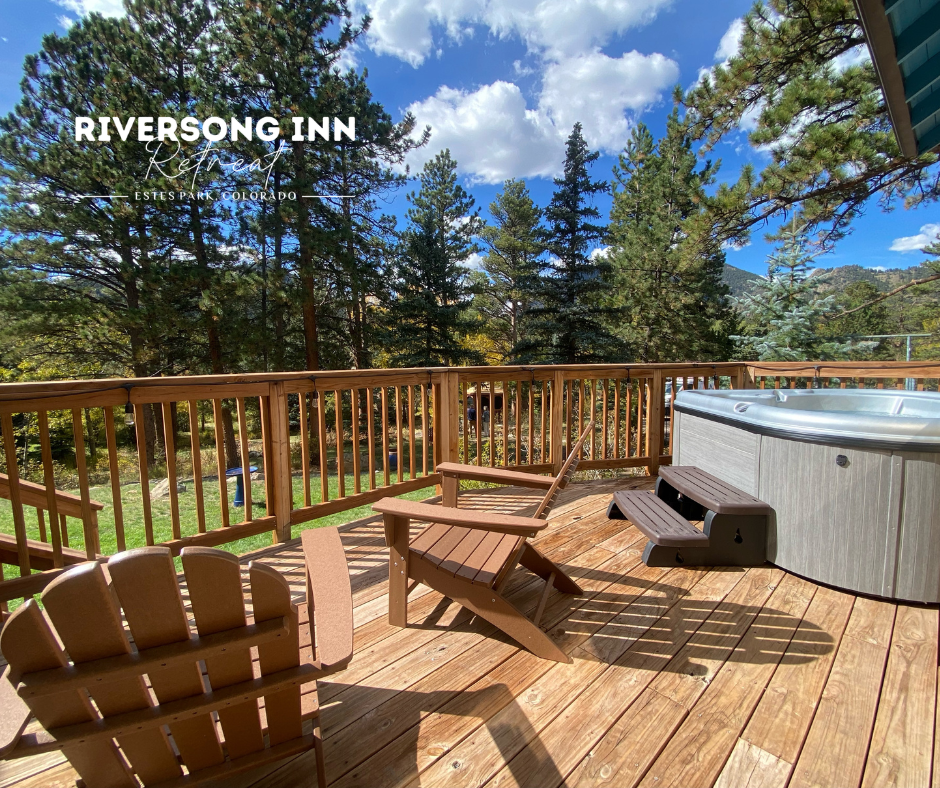
The surprising reason slowing down feels uncomfortable — and how to move through it
🌿 You Finally Have Time to Relax… So Why Can’t You?
You’ve arrived.
The bags are unpacked.
The view is beautiful.
There’s nothing urgent to do.
And yet…
You feel a little restless.
You reach for your phone.
You wonder if you should be doing something.
You can’t quite settle.
If this sounds familiar, you’re not alone — and nothing is wrong.
In fact, this is often the first sign that your body is beginning to slow down.

🧠 The Truth About “Vacation Restlessness”
Many of us live in a near-constant state of stimulation:
notifications
schedules
decisions
responsibilities
noise
Over time, your nervous system adapts to that pace. It becomes your normal.
So when you suddenly step into quiet — like a peaceful stay at a mountain retreat — your body doesn’t instantly relax.
It pauses… and then asks:
“What do I do with all this space?”
That uneasy, fidgety feeling is your system adjusting.
🌬️ This Is Your “Rest Edge” (And It’s a Good Thing)
There’s a moment — often subtle — when you transition from doing to being.
In nervous system terms, this is when you’re approaching the edge of your window of tolerance — what we often call your rest edge.
It can feel like:
restlessness
irritability
the urge to check your phone
a need to get up and move
difficulty sitting still
This isn’t a sign that you’re bad at relaxing.
It’s a sign that your body is learning how.
✨ And this is where the real reset begins.
⛰️ Why It Happens More at Mountain Retreats
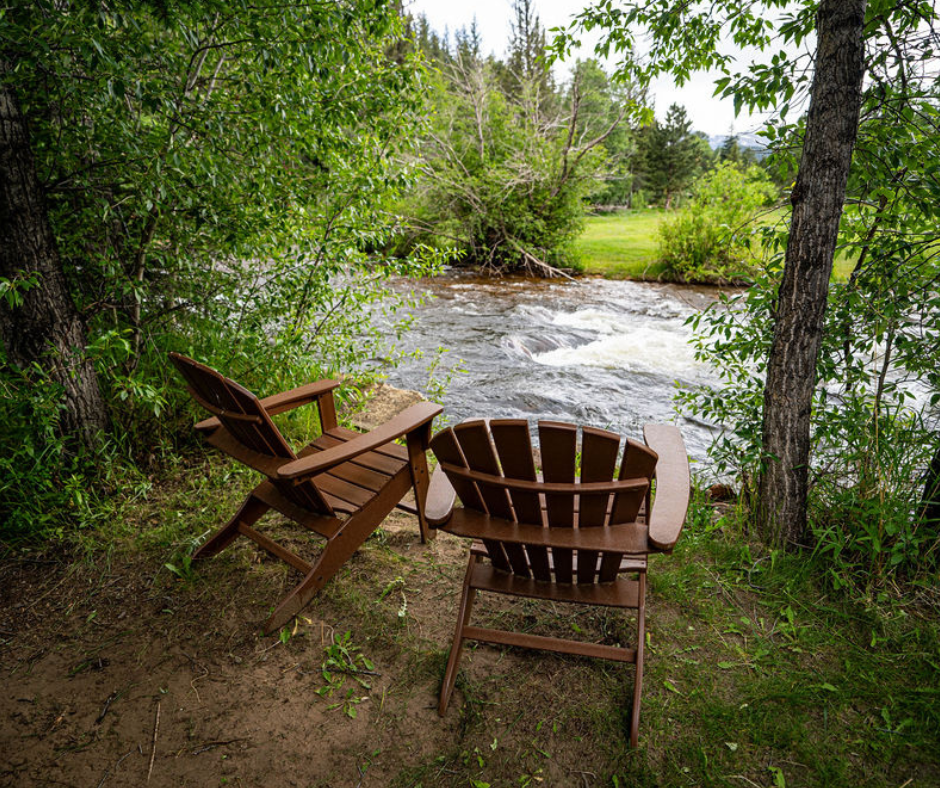
Places like Riversong Inn Retreat amplify this experience — in the best way.
Here, you’ll find:
quiet mornings
flowing river sounds
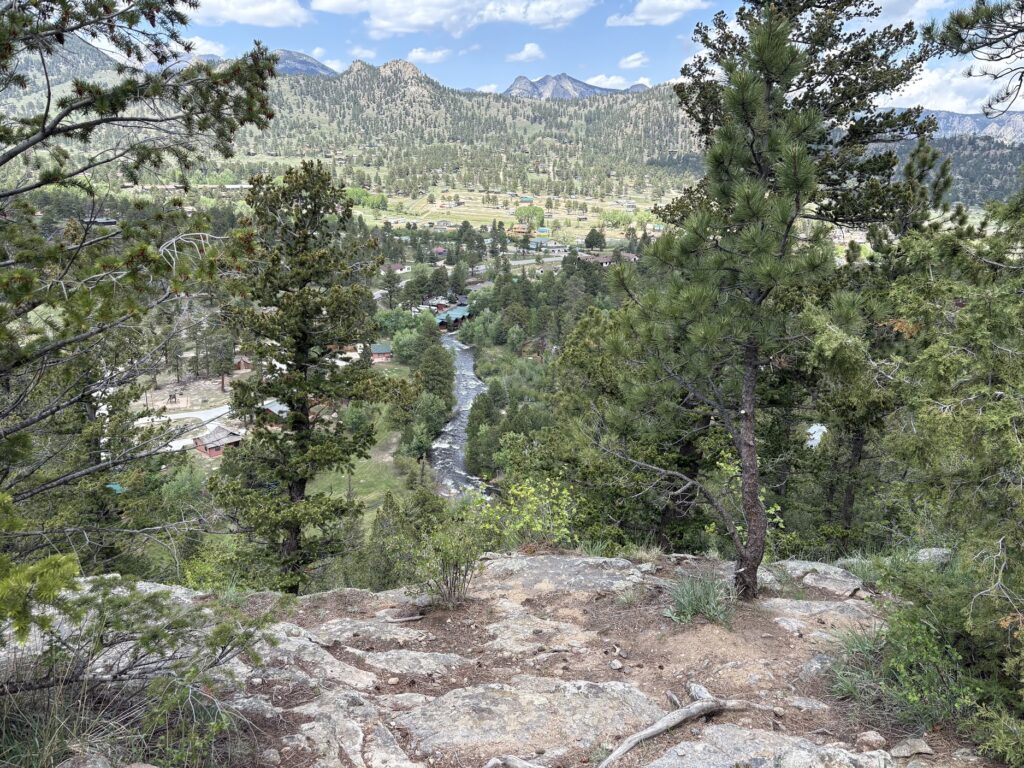
open space
minimal noise
slower rhythms
Your environment is no longer stimulating your nervous system — it’s calming it.
That contrast makes your “rest edge” more noticeable… and more powerful.
💛 How to Relax More Deeply (Instead of Fighting It)
When that fidgety feeling shows up, the instinct is often to distract yourself.
Instead, try gently moving through it.
🌿 1. Stay a little longer than feels comfortable
Give yourself just 5–10 extra minutes of stillness.
This is often where the shift happens.
🌬️ 2. Breathe out longer than you breathe in
Try: inhale for 4, exhale for 6.
Long exhales signal safety to your nervous system.
👀 3. Ground yourself in your surroundings
Look around and notice:
the trees
the river
the light
the sounds
Notice as many things you can about each thing you focus on. Let your environment support you.
🧖 4. Pair stillness with gentle comfort
Try:
sitting by the river
soaking in the hot tub
wrapping up in a blanket
resting near a fireplace
Comfort helps your body settle more quickly.
📵 5. Delay the urge to reach for your phone
Not forever — just for a few minutes.
Set a timer on your social media apps as a reminder that you’re choosing a a different focus.
You’re not removing stimulation… just softening your dependence on it.
🌙 What Happens on the Other Side
If you move through that initial restlessness, something shifts.
Guests often describe:
a deeper exhale
clearer thinking
better sleep
a sense of calm they didn’t expect
feeling more present than they have in months
This is what a true reset feels like — not forced, just allowed.
🌲 A Gentle Invitation
At Riversong, we don’t believe in packing your schedule.
We believe in giving you space — and trusting what unfolds within it.
So if you find yourself feeling a little fidgety when you arrive…
pause, breathe, and stay with it.
You’re not doing vacation wrong.
You’re just arriving more fully.
💫 From Restlessness to Restoration
The goal of a retreat isn’t to instantly relax.
It’s to expand your capacity for rest.
And sometimes, that begins with a moment of discomfort — followed by a much deeper kind of ease.