













Because the best wildlife experiences happen when we remember we're guests in their home.
As a steward of the land, Estes Park wildlife safety is one of our top priorities. In fact, one of the things guests love most about staying at Riversong Inn Retreat is the opportunity to experience wildlife in its natural habitat.
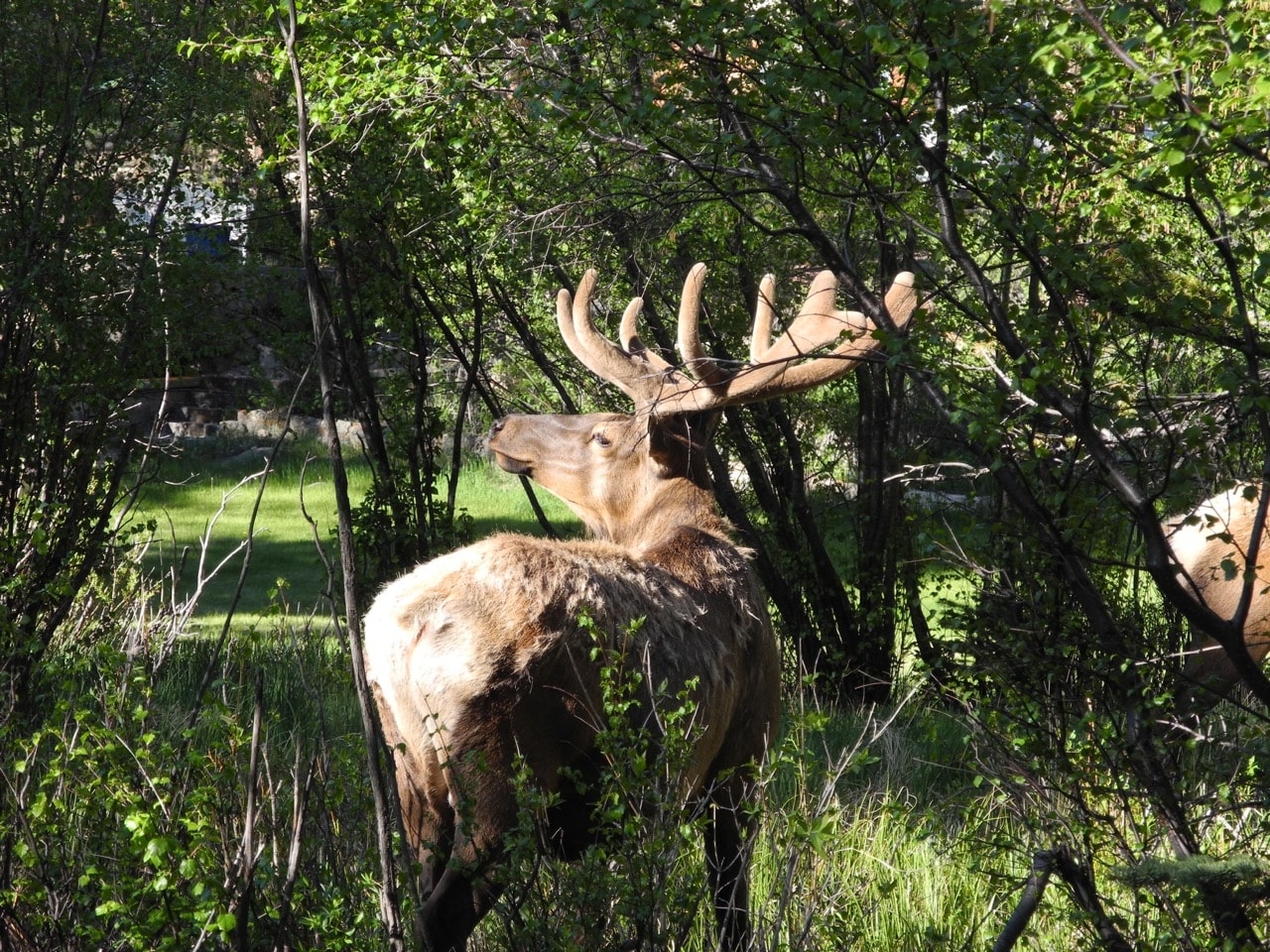
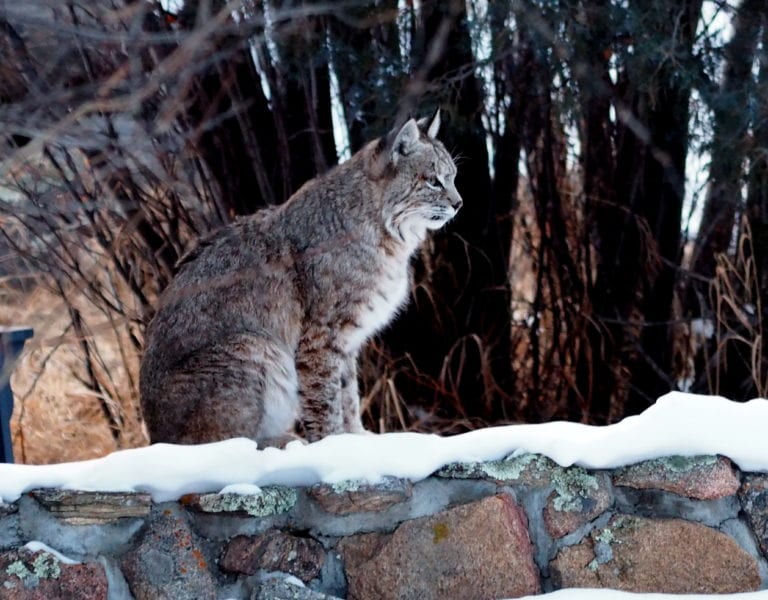
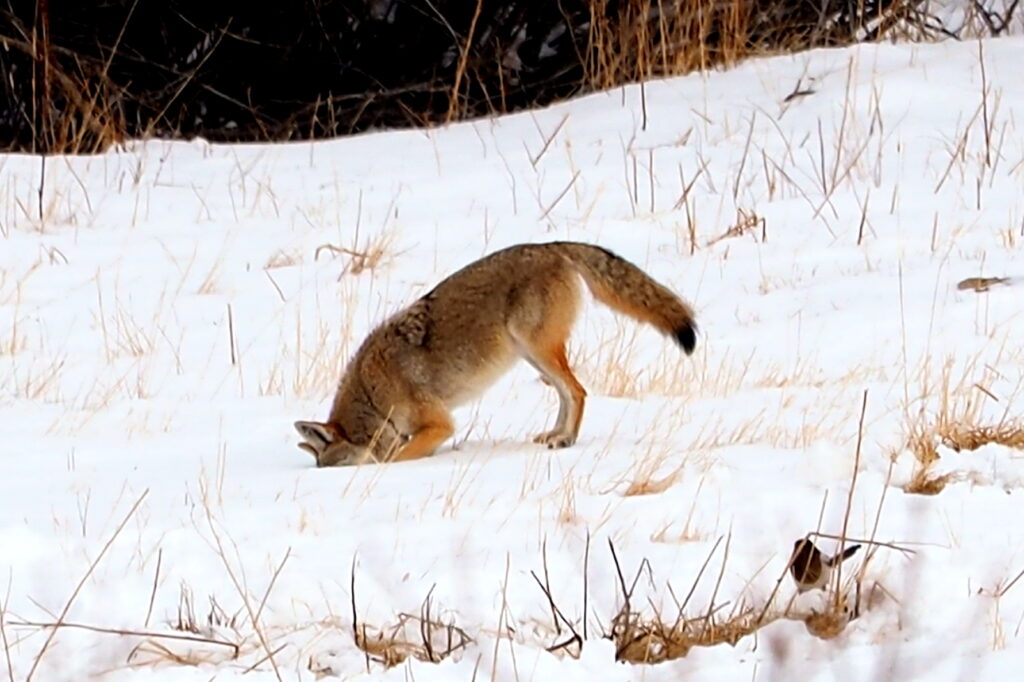
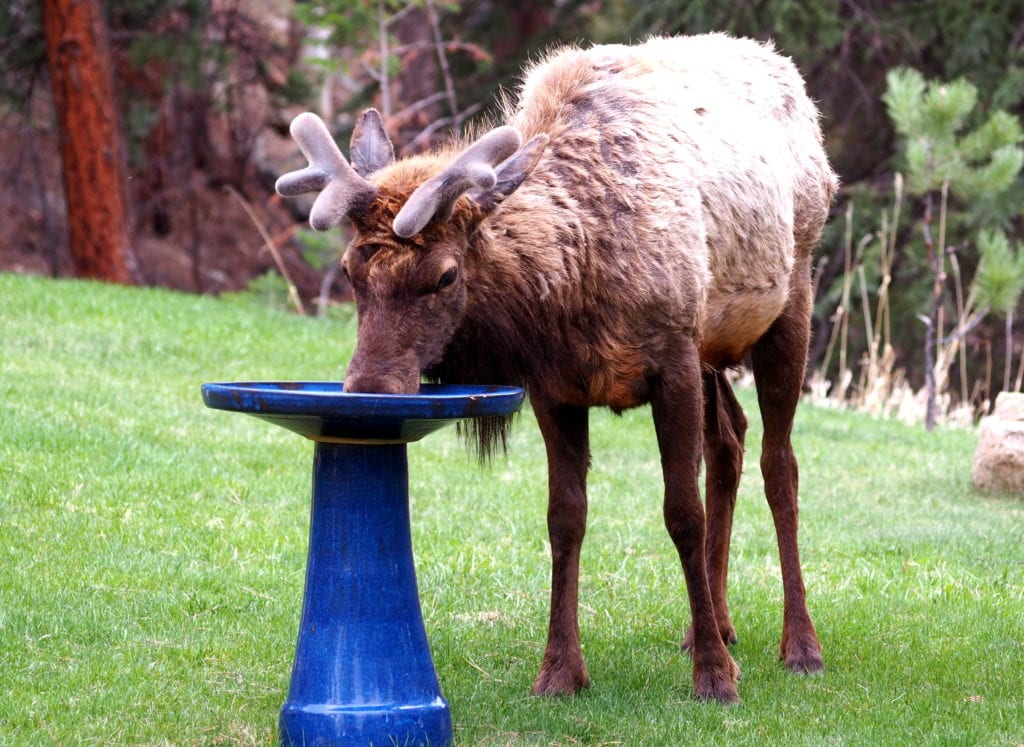
From elk grazing in the meadows and deer quietly moving through the property to hummingbirds, wild turkeys, coyotes, and even the occasional bobcat, wildlife sightings are a memorable part of the Riversong experience. In fact, our YouTube channel is filled with real wildlife encounters captured right here on the property.
But with that opportunity comes responsibility.
The goal of wildlife viewing in Estes Park isn’t to get closer. It’s to observe respectfully, safely, and in a way that protects both animals and people. Here are a few simple guidelines that help ensure everyone can continue enjoying these incredible encounters for years to come.
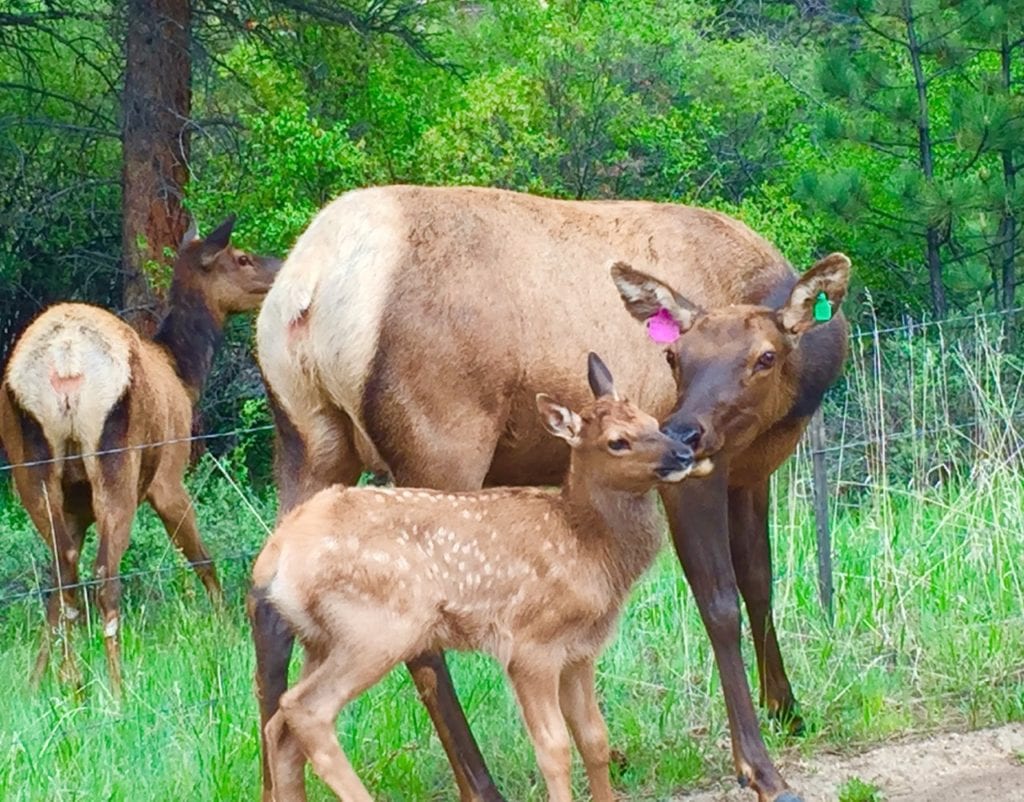
🦌 If You See a Baby Elk Alone, Don't Panic
One of the most common questions visitors have during spring and early summer is:
“Why is that elk calf all by itself?”
The answer is usually simple: its mother is nearby.
Mother elk often leave their calves hidden in tall grass or brush while they feed. Young calves have very little scent, which helps protect them from predators. What appears to be an abandoned calf is often exactly where it is supposed to be.
If you encounter a calf:
Keep your distance
Never approach or touch it
Avoid lingering nearby
Give the mother plenty of space to return
While baby elk are undeniably adorable, one of the kindest things you can do is leave them undisturbed.
📏 Distance Is One of the Greatest Forms of Respect
Wildlife does not need our help, attention, or interaction.
A good rule of thumb is this:
If an animal changes its behavior because of your presence, you’re too close.
This may include:
Looking directly at you repeatedly
Moving away
Standing alert
Vocalizing
Gathering its young
Whether it’s elk, deer, coyotes, or birds, maintaining a respectful distance allows wildlife to continue behaving naturally.
Some of the most magical wildlife moments happen when we simply stop, stay quiet, and observe.
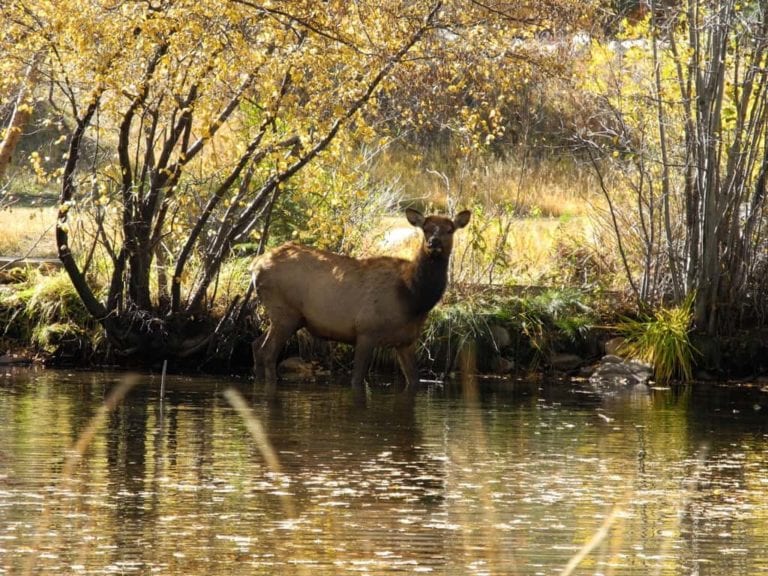

🚫 Why Feeding Wildlife Is Harmful
Many visitors are surprised to learn that feeding wildlife—even with good intentions—can be dangerous.
When animals become accustomed to human food, they can:
Lose natural foraging behaviors
Become dependent on people
Approach roads, parking lots, and populated areas
Become more aggressive around humans
Food that is safe for people is often unhealthy—or even deadly—for wildlife.
At Riversong, we work hard to protect the natural behaviors of the animals that share this landscape. The best way to help is simple:
Never feed wildlife. Ever.
📸 How to Take Better Wildlife Photos (Without Getting Closer)
One of the biggest misconceptions about wildlife photography is that you need to be close to get a great shot.
In reality, some of the most beautiful wildlife photographs are taken from a respectful distance.
A few tips:
Use your camera’s zoom feature
Stay where you are and let the animal move naturally
Focus on behavior, not proximity
Capture the landscape around the animal for perspective
Wildlife photographs tell a better story when the animal is relaxed and behaving naturally.
And remember: no photo is worth stressing an animal.
🏡 What If Wildlife Is Near Your Room?
At Riversong, it’s not unusual to wake up and find deer outside your deck or spot elk crossing a meadow.
If wildlife is near your room:
Stay calm
Observe from indoors or from a safe distance
Avoid approaching for photos
Give animals a clear path to move through the property
Often the best wildlife viewing seat is simply your porch, patio, or window.
The animals know where they’re going. We simply get the privilege of watching.
🌿 Why Riversong Prioritizes Stewardship
Wildlife encounters don’t happen here by accident.
Riversong sits along the Big Thompson River and includes meadows, wooded areas, and natural wildlife corridors that animals have used for generations.
Protecting that environment requires thoughtful stewardship.
Over the years, our teams have implemented practices designed to support both guest safety and wildlife wellbeing, including:
Bear-aware trash protocols
Careful landscaping choices
Protecting natural habitats
Educating guests about wildlife safety
Maintaining the property’s role as a healthy wildlife corridor
The goal is simple: create a place where people can enjoy nature while allowing nature to remain wild.
🎥 Wildlife We've Captured Right Here at Riversong
Our YouTube channel features real wildlife sightings captured on the property, including:
Bull Elk, Elk and elk calves
Mule deer and white-tailed deer
Wild turkeys
Hummingbirds
Coyotes
Bobcats
Ducks
A variety of birds
Even the occasional black bear
Every sighting is a reminder of what makes this place so special.
Not because the wildlife is here for us.
But because we’re fortunate enough to share the landscape with them.
💛 The Best Wildlife Encounter Is a Respectful One
Wildlife viewing in Estes Park is one of the most memorable parts of any mountain vacation.
The secret isn’t getting closer.
It’s slowing down.
Watching quietly.
Respecting boundaries.
And appreciating the privilege of seeing animals exactly as they were meant to be—wild, free, and undisturbed.
That’s when the truly unforgettable moments happen.